Team kickoff
Team Kickoff: A Vision for Our Future
For the whole team. What it should leave behind: The vision, the roles, what starts now, and the red flags written down.
Teaches 02 Why digital services, 14 Roles and decision rights, 15 Leading the change.
36 slidesDownload the PDF
Set the room: more questions after today, how we got here, and how we'll work through this together.
1Change the team name to whatever your team calls itself.
- 2
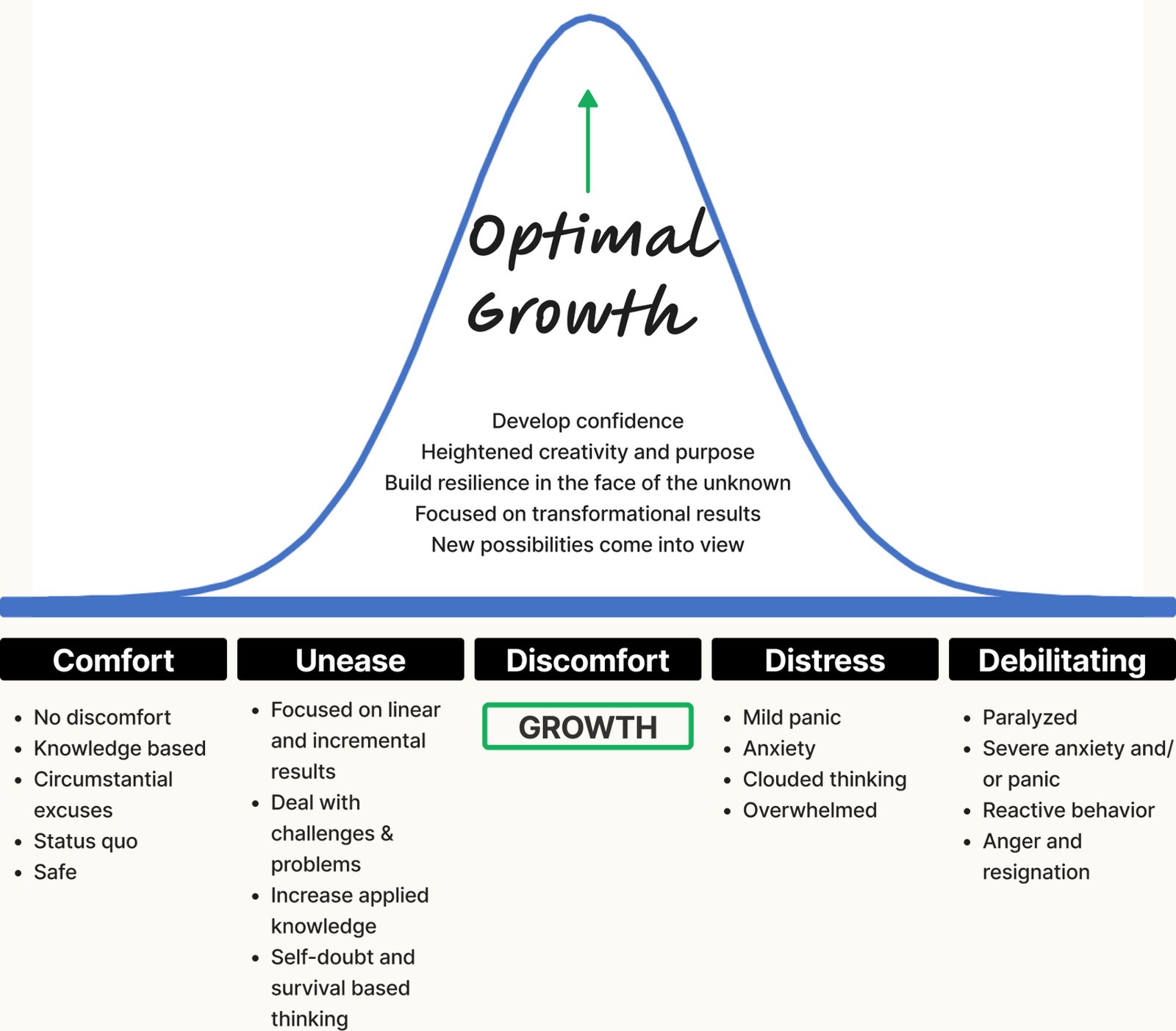
Name the growth zone up front. Growth sits in discomfort. If people slide into distress, we slow down. Ask the room to tell you where they are.
- 3
Honor the past before asking for change. Say what the team has done well, in their own terms. This is your story to tell; the DMV version is an example.
- 4
Credit a real person if there is one. A named colleague asking the question makes the change feel like ours, not imposed.
- 5
List what has actually happened on your team so far. The DMV bullets are an example; replace them with your real milestones.
- 6
This is the question the rest of the session answers.
- 7
Silent writing, five minutes. Collect the stickies; they come back at the break.
- 8
House rules. Point to the wall where stickies go.
The vision: six shifts in how we see and do our work, and why only 10% is different.
9Lower the stakes: nobody has to be good at all of this next week.
- 10
Six shifts, matching the system's story (doc 02). The earlier version had five; "requirements to feedback" is added. Each gets one slide.
- 11
The examples are the DMV's. One from your own service would be stronger if you have one.
- 12
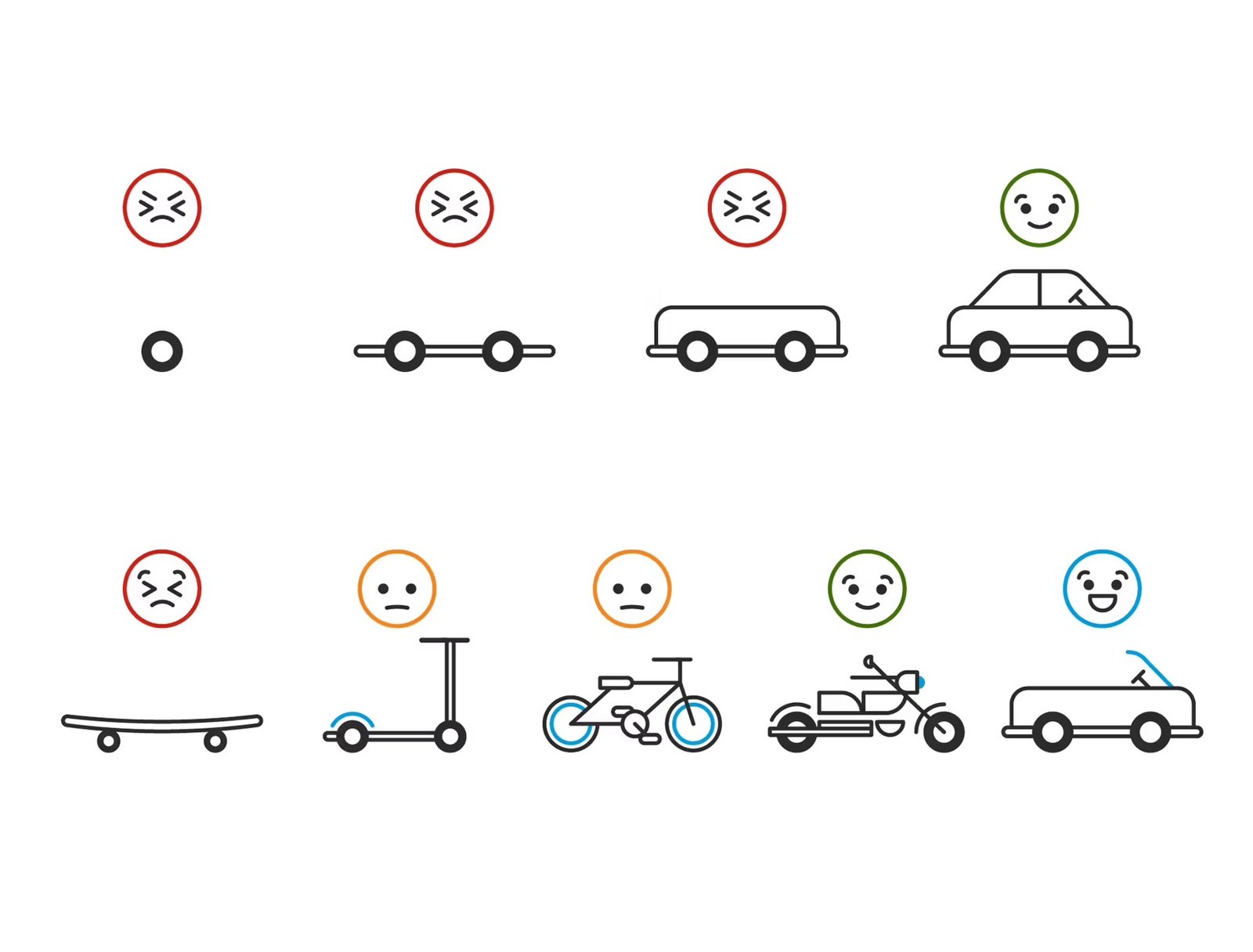
Wheels are a component. A skateboard is something you can ride.
- 13
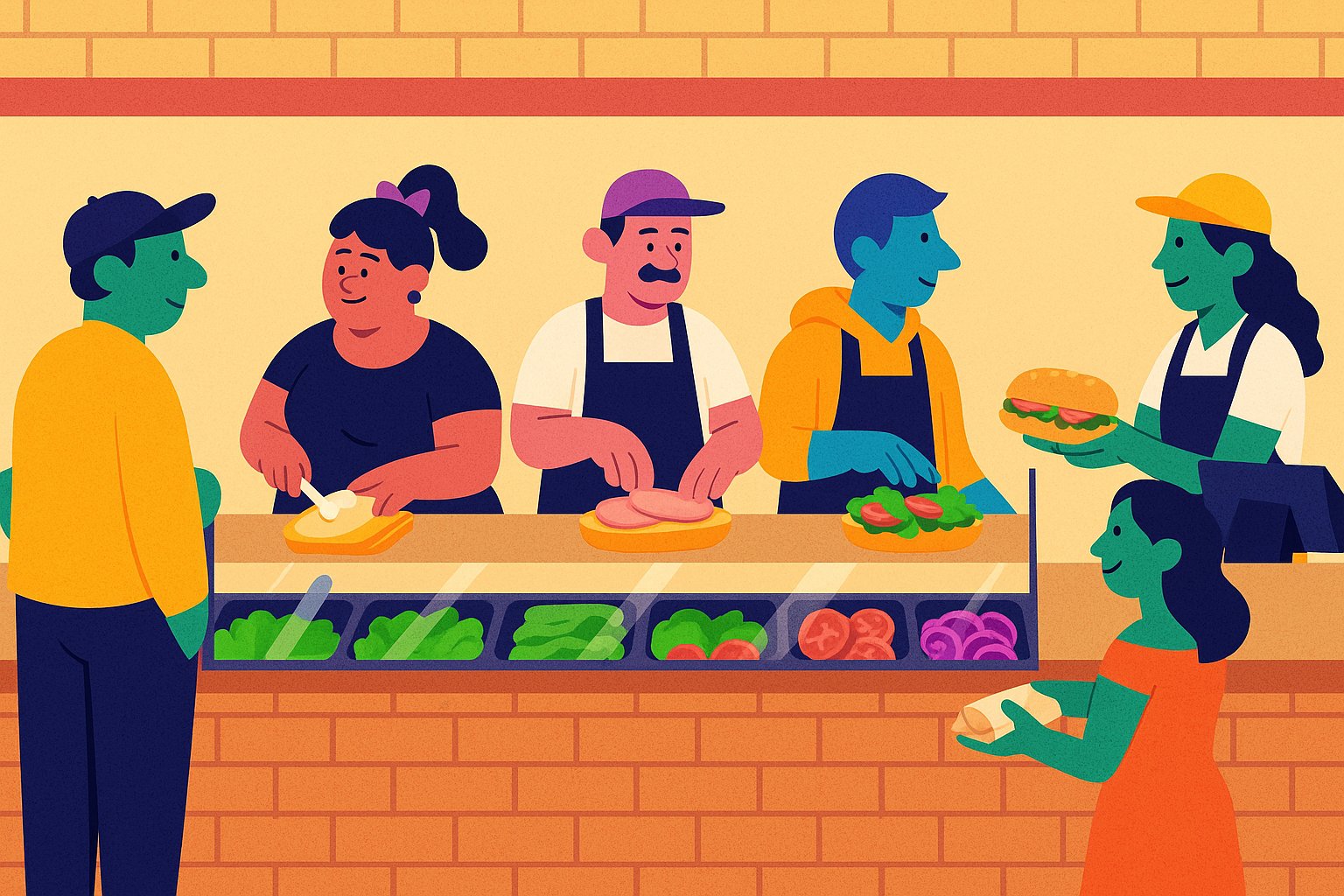
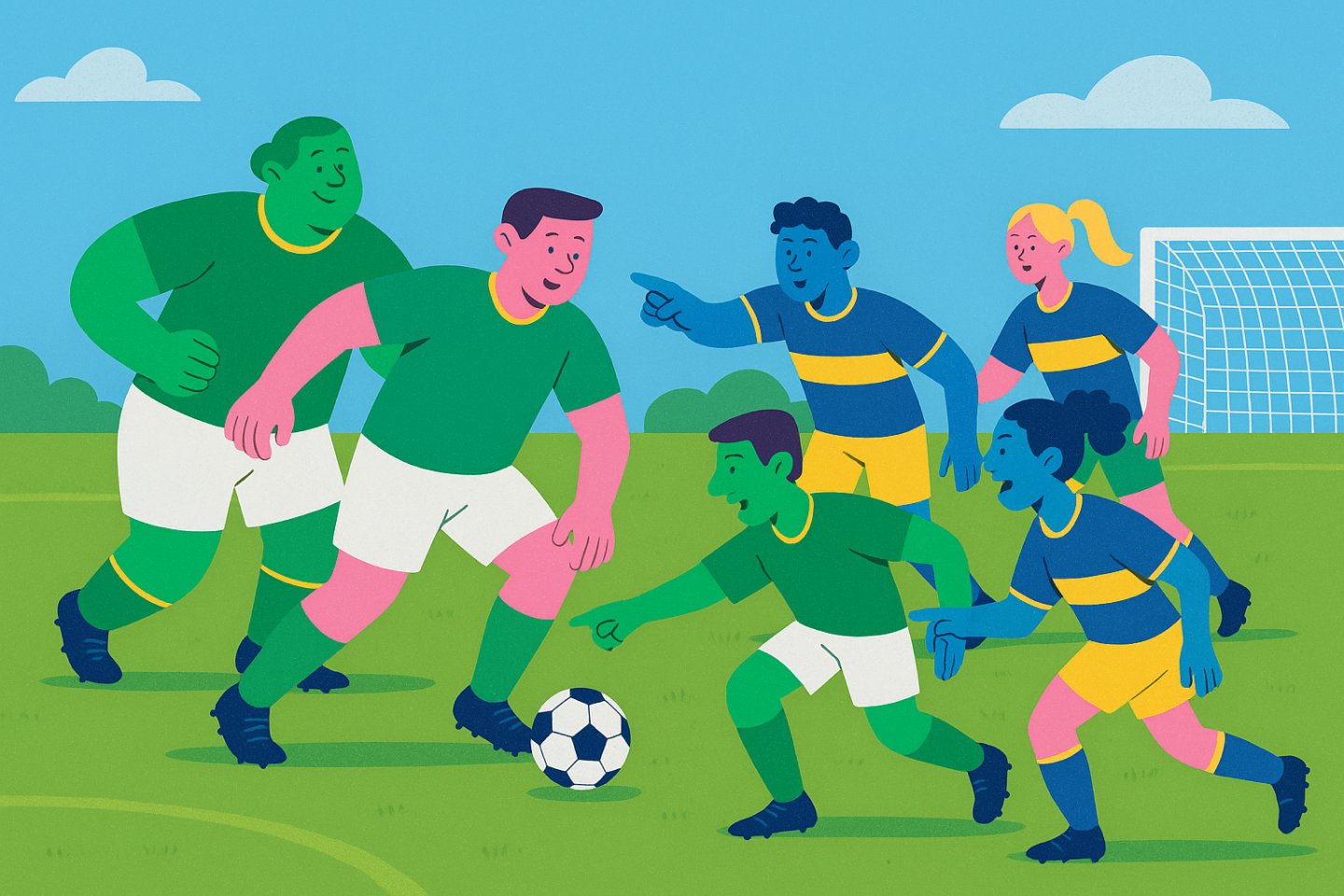
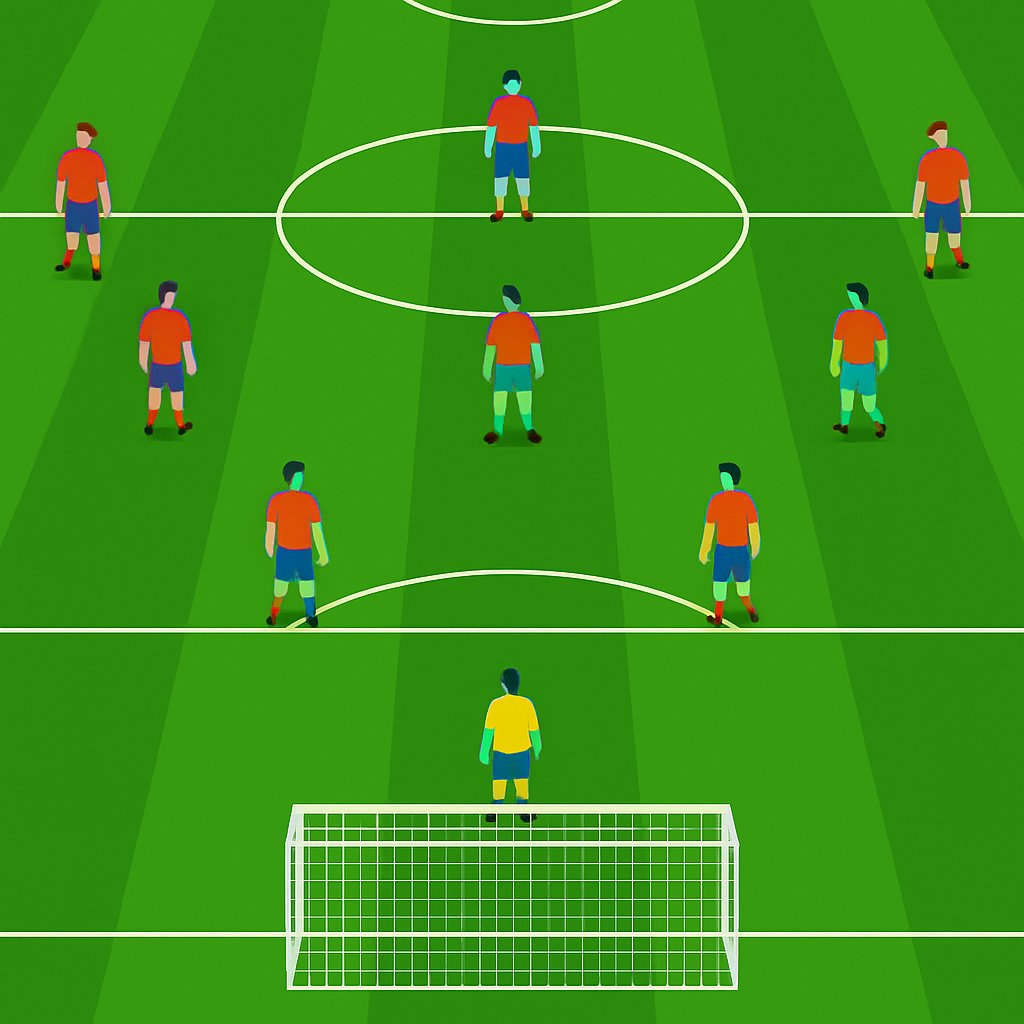
The sandwich shop is great at filling orders. The soccer team has a fixed goal and a path that changes every few seconds. Both are skilled; they're built for different work.
- 14
New slide, from the system's six shifts. The faster-horses line works here: the skateboard teaches whether people need transportation at all, the scooter teaches speed, the bike teaches cargo.
- 15
Section leaders still contribute; there's one conductor. On this team that lead is the product manager, who owns the roadmap and the order of Strategic work.
- 16
We still serve staff, in service of the community. Residents use our websites and services directly, so we have to see the service from their side.
- 17
Reassure: the skills people have still matter. What changes is where we start.
- 18
Two ships leave the same port ten degrees apart and land on different islands.
- 19
Read out the red stickies so far and talk each one through. Note anything you can't answer today.
One service, one team, one roadmap: who leads what and how our time is split.
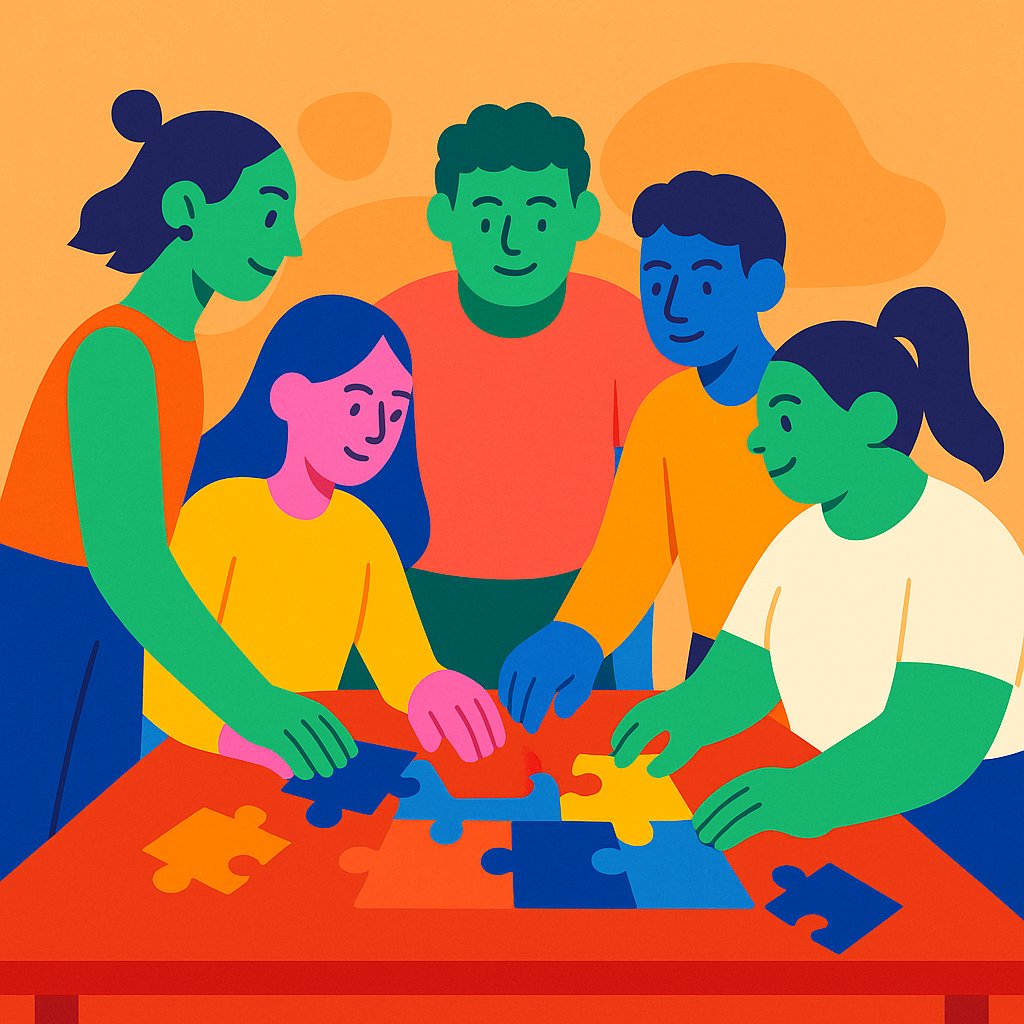
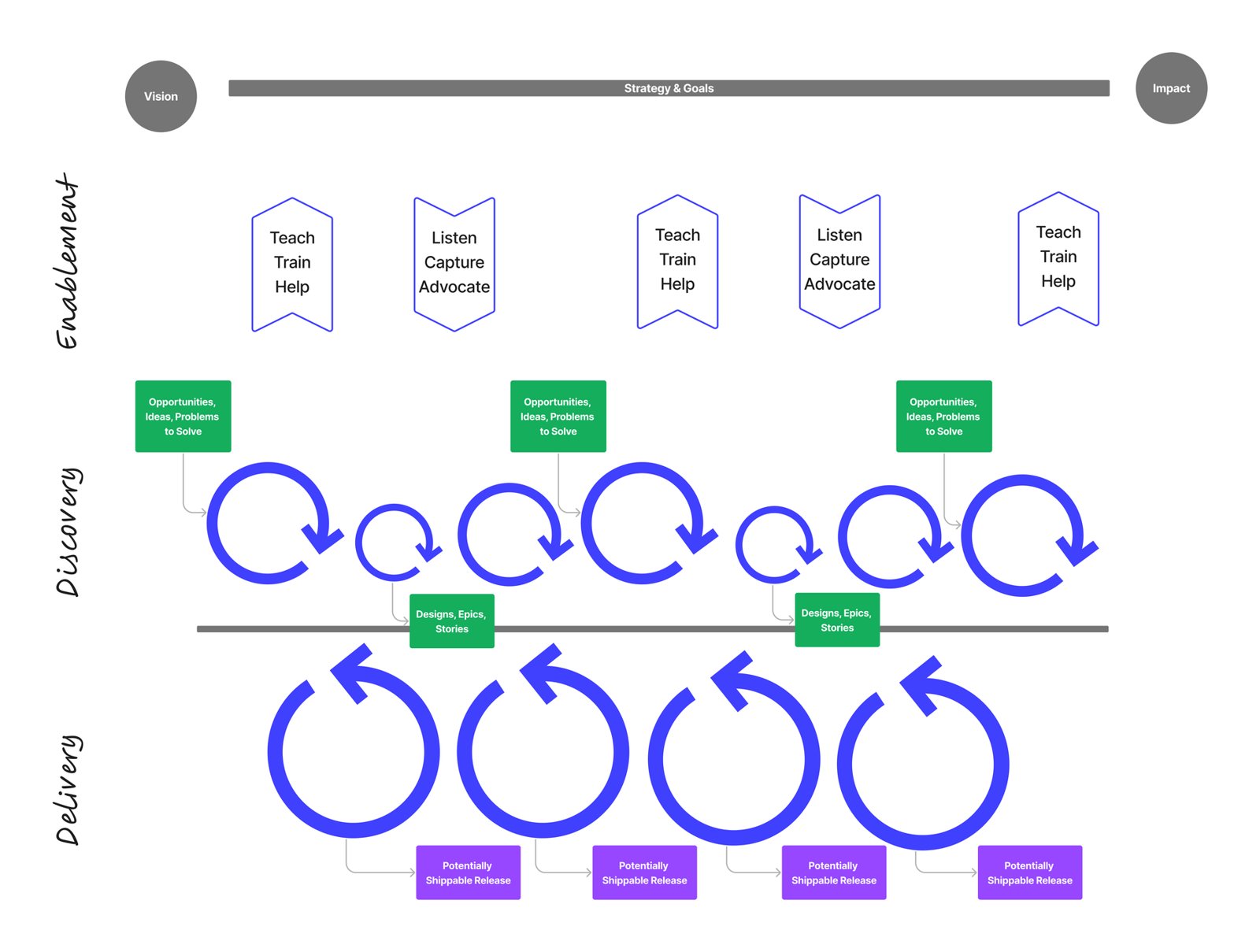
20We see the service as one thing, from the resident's side. Discovery, delivery and enablement are the three kinds of work everyone does more or less of; nobody has their own roadmap.
- 21
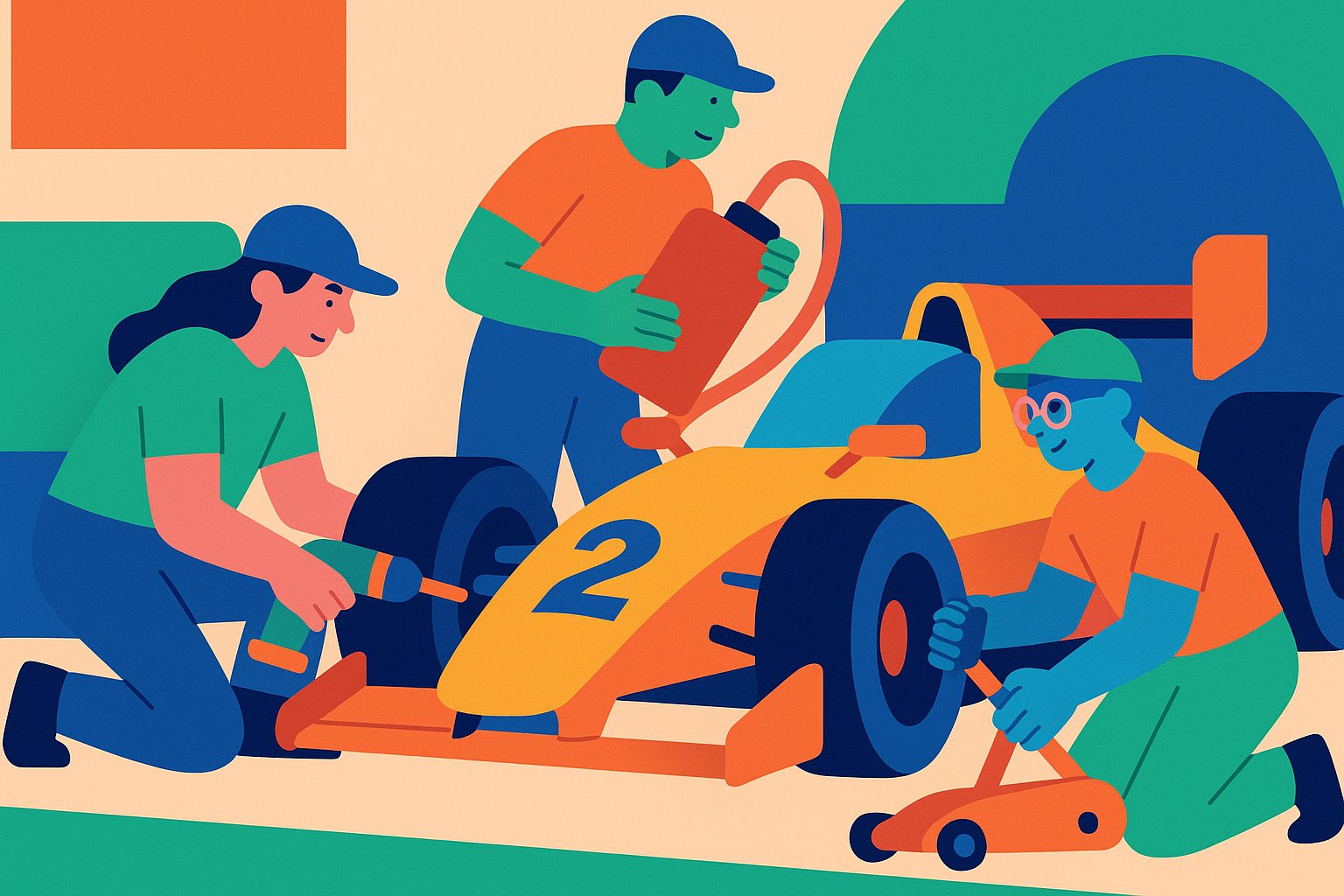
Use the soccer team again: one goal, positions with focus, the ball moving between them.
- 22
Discovery runs ahead in small loops; what it learns feeds delivery's sprints; enablement teaches, listens and brings feedback back. All of it sits between strategy and impact.
- 23
Fill in your team's names; one person can hold more than one role on a small team. Detail is in doc 14, Roles and decision rights.
- 24
An earlier version's buckets were roadmap work, functional duties (required, small requests, improvements) and additional stuff (training, department initiatives, other commitments). The system names them Strategic, Technical maintenance and Small requests, and takes organization business off the top.
- 25
The earlier version showed 70/10/10/10, 45/25/20/10 and 15/35/50/10 by team, and a 50/40/10 overall split. Updated to the system's three work types and the 50/25/25 default.
What starts now: planning, commitments, request review and next steps.
26Group the stickies on the wall during the break so the next slide moves fast.
- 27
Answer what you can. Park the rest with an owner and a date.
- 28
Three changes, all small enough to start this quarter.
- 29
A commitment is a promise to try, not a guarantee. Some misses are expected; raising them early is part of the promise.
- 30
The earlier version covered staff requests with four outcomes. Updated to the system's five, plus Future consideration and the bug path.
- 31
The first quarter will feel like a lot. It may not go well, and that's expected; doing it builds the habit. The DMV's was December; fill in yours.
- 32
Second pause. Focus on what would break if we started next steps tomorrow.
Where do we go now: role collaborations and the questions people ask.
33Let the room pick. The next two slides cover the most common picks: roles and the questions people ask.
- 34
The earlier version had six pair slides. Condensed to the pairs in doc 14. The product owner and scrum master card reuses the developer illustration; swap it if you have a scrum master one.
- 35
These came from earlier teams going through the same change. Have the answers ready before anyone asks.
- 36
Close with the team agreement. Expect "where do I fit?" over the next few weeks; a five-minute show-and-tell per discipline helps.